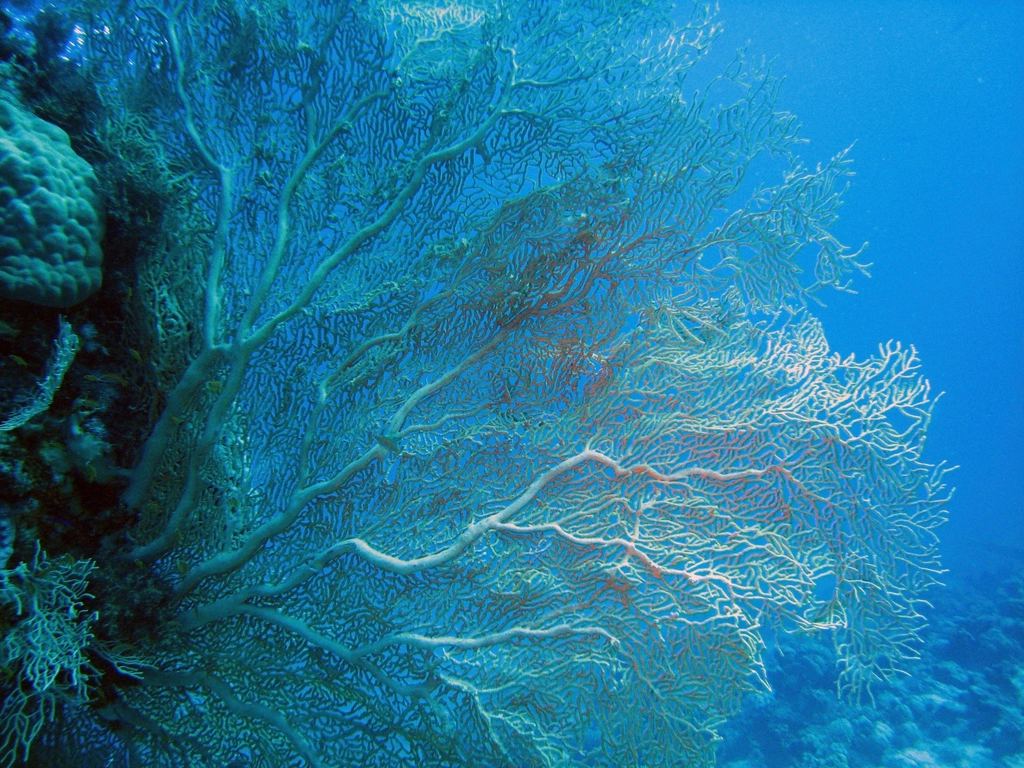
What is the Great Barrier Reef?
The Great Barrier Reef is a giant home for sea life off the coast of Australia. It is so big you can even see it from space! It stretches more than 2,300 kilometres — that is longer than driving across many whole countries.
Reefs are built by tiny animals called corals. Even though they look like colorful rocks or plants, corals are alive. They grow very slowly, a little bit each year, like a tree adding rings.
Why do corals need help?
When the ocean gets too warm, corals can turn white and lose their color. This is called bleaching, and it can make corals weak or even cause them to die. Storms and pollution can hurt them too.
When corals are damaged, the fish and other animals that live there lose their homes. That is why scientists want to give the reef a helping hand.
How do scientists grow baby corals?
Once a year, corals release tiny eggs and sperm into the water at the same time. This big event is called spawning, and it looks like an underwater snowstorm! Scientists collect these and help them grow into baby corals called coral larvae.
The babies are kept safe until they are strong enough. Then divers carefully place them onto parts of the reef that need new corals. It is a bit like planting seeds in a garden, but underwater.
A second chance to grow
By giving baby corals a safe start, scientists hope these tiny animals will grow up, attach to the reef, and slowly rebuild it. Over time, more corals mean more hiding places and food for fish, turtles, and other ocean creatures.
Researchers are also looking for tougher corals that can handle warmer water better. These special corals might help the reef survive future hot spells.
Why this matters for everyone
Healthy reefs are not just beautiful — they protect coastlines from big waves and give homes to a huge number of animals. About a quarter of all sea creatures depend on reefs at some point in their lives.
Helping baby corals is a hopeful story. It shows that when people work together with nature, we can give amazing places like the Great Barrier Reef a brighter future.