What Happened?
Scientists at the California Academy of Sciences in San Francisco had a busy and exciting year. In 2025, they described 72 brand-new species — that means living things that nobody had ever officially named before!
Describing a species is like giving it a special name tag for the whole world to use. Once a creature has a scientific name, everyone everywhere can study it and help protect it.
What Did They Find?
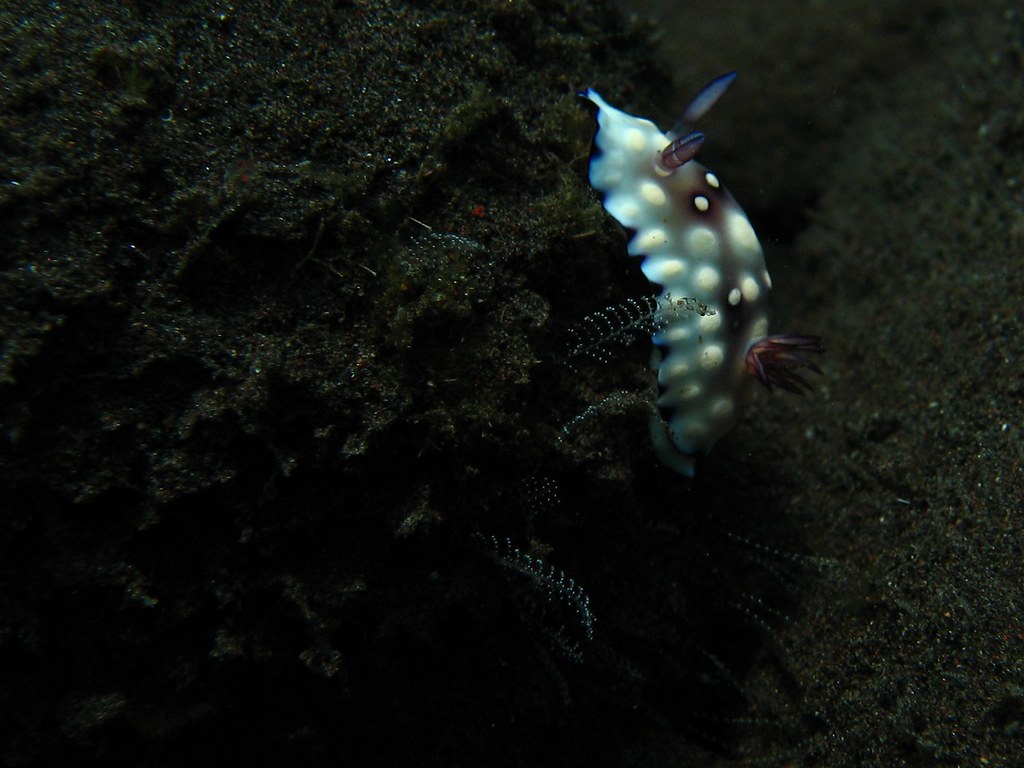
The new species came in all shapes and sizes. There were colorful sea slugs, sparkly fish, tiny spiders, crawling beetles, and even some new plants and corals.
Many were found deep in the ocean, where it is dark and quiet. Others were hiding in rainforests, on mountains, and in places people rarely visit.
How Do You Find a New Species?
Scientists travel to faraway places like jungles, deserts, and the deep sea. They dive underwater, climb trees, and search under rocks, looking very carefully for living things.
Back in the lab, they compare each animal to known species. They study its body shape and even its DNA, the tiny instruction book inside every living thing. If it's truly different, it gets a brand-new name!
Why Does It Matter?
Scientists think there could be millions of species still waiting to be discovered. That's like a giant treasure hunt that has only just begun!
Naming new species helps us understand and protect nature. If we know a creature exists, we can make sure its home stays safe for the future.
A Thought to Take With You
The world is full of amazing surprises, even places we think we already know. Every year, curious people discover creatures no one has ever seen before.
Who knows — maybe one day you could find a new species too. The next great discovery might be waiting in a forest, a pond, or even your own backyard!