A World Without Sunlight
Deep in the ocean, it is darker than the darkest night. Sunlight can only reach down about 1,000 metres (that's like ten football fields stacked on top of each other). Below that, it is pitch black and very cold.
Because people cannot easily go that deep, scientists send robots instead. These robots are called ROVs, which stands for 'Remotely Operated Vehicles'. They are like underwater drones with cameras and lights, controlled by people on a boat far above.
What the Robots Are Filming
The robots have filmed some truly strange animals. There are jellyfish that glow, fish with see-through heads, and squid with arms longer than a bicycle. Many of these creatures make their own light, a trick called bioluminescence.
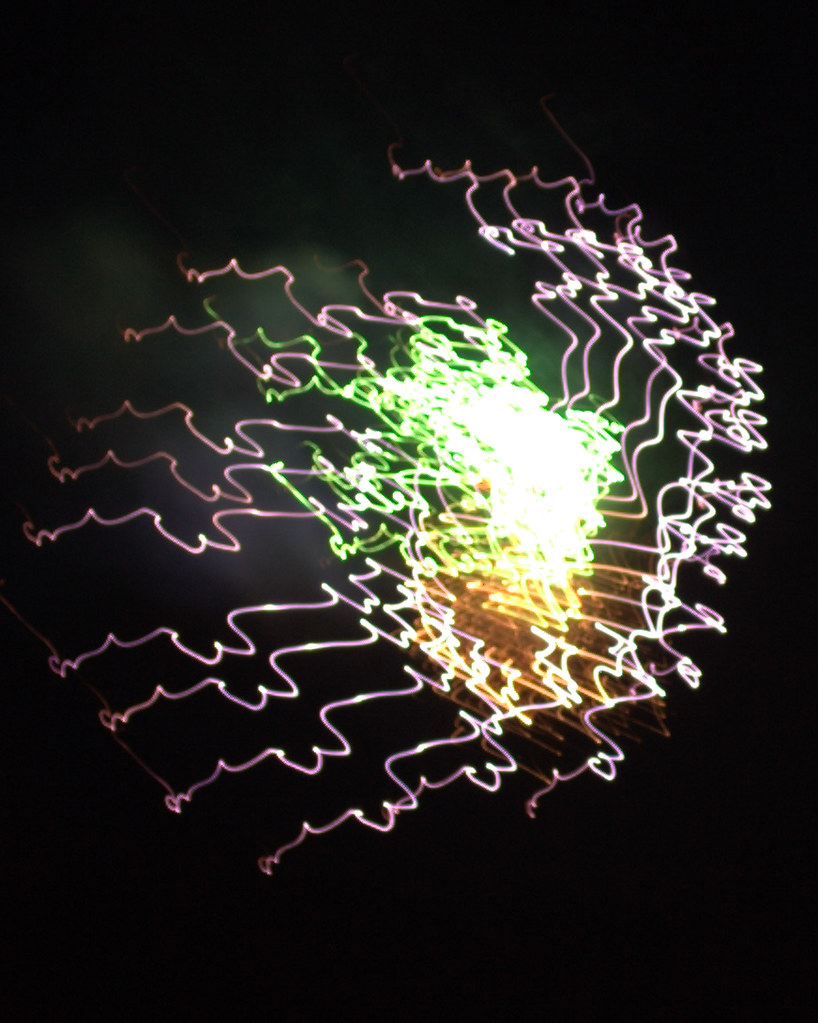
Some look almost magical. One jelly drifts like a floating umbrella, and another glows blue and pink as it swims. Scientists watch carefully, because some animals on camera may be brand new to science.
Why Glowing Helps
In the deep sea, making your own light is super useful. Some animals glow to scare away enemies. Others use light like a fishing lure to trick prey to come closer.
A few creatures even flash light to talk to each other or to find a friend. It's a bit like having your own built-in flashlight that you never need to charge!
How Scientists Find New Animals
When a robot films something odd, scientists study the video very carefully. They compare it to animals they already know. If it doesn't match anything, it might be a new species.
Sometimes the robot gently collects a tiny sample to bring up to the surface. Researchers then look at it under microscopes to learn more about how it lives.
Why It All Matters
More than 80% of our ocean has never been explored. That means most of the planet's biggest habitat is still a mystery waiting to be solved.
Studying these creatures helps us protect the ocean. The more we know, the better we can keep this hidden world healthy and safe for the future. Who knows what amazing animal a robot will spot next?