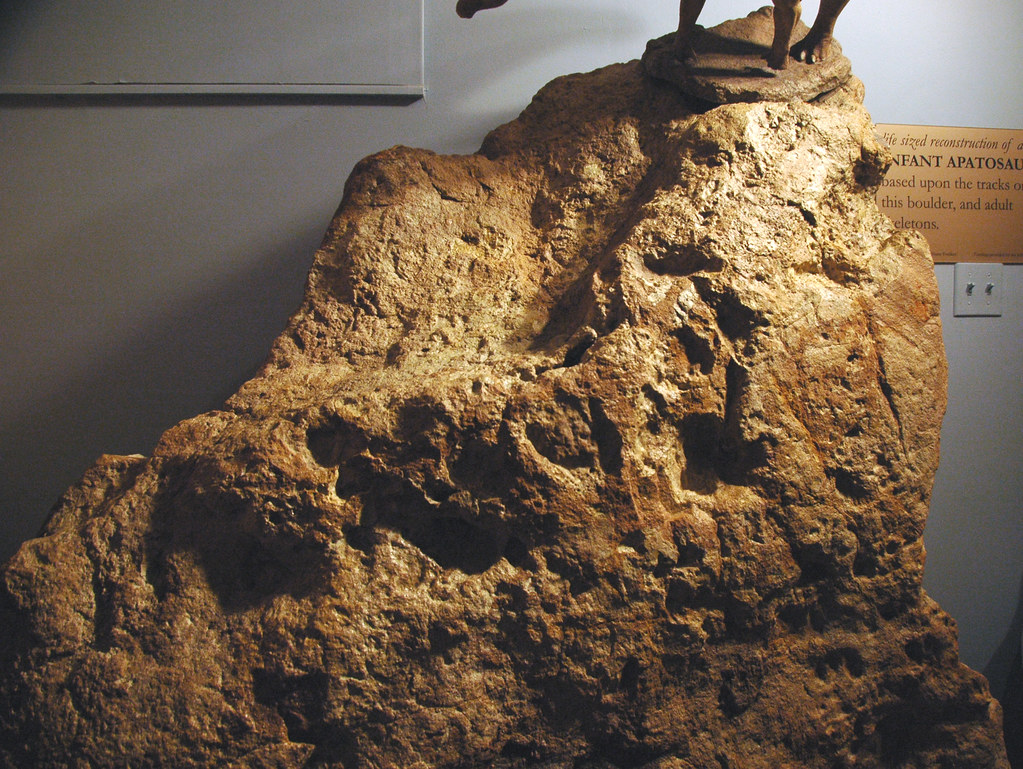
A Surprise Hidden in the Rock
Imagine walking along the ground and spotting a giant footprint that is older than you can even imagine. In Southern Africa, scientists found dinosaur footprints that are about 132 million years old. That is way before there were any people on Earth!
These footprints were not made in stone. Long ago, dinosaurs walked across soft, squishy mud. Over millions of years, that mud slowly turned into hard rock, keeping the footprints safe like a snapshot from the past.
How Footprints Help Scientists
Bones are not the only way to learn about dinosaurs. Footprints, which scientists call 'trackways,' tell us things bones cannot. They show how a dinosaur walked, how fast it moved, and whether it traveled alone or in a group.
By measuring the distance between each step, scientists can even guess how big the animal was and how it balanced. It is a bit like being a detective and reading clues left behind millions of years ago.
Why This Is Rewriting History
These footprints are special because of where and when they were made. They help scientists understand which dinosaurs lived in Africa at that time, and how the land looked back then.
Long ago, the continents were not in the same places they are today. Studying these tracks helps scientists piece together how dinosaurs spread across the ancient world, sometimes changing what experts thought they knew.
What the Dinosaurs Were Like
Some of the tracks were made by plant-eating dinosaurs, big gentle giants that munched on leaves. Others may have come from meat-eaters that walked on two legs, a little like a giant bird.
Finding different kinds of footprints in one place is exciting. It tells us many types of dinosaurs shared the same land, just like lions, zebras, and elephants share Africa today.
A Window Into the Past
Every new footprint is like turning a page in a very old storybook. Scientists in Southern Africa are still studying these tracks, and they may find even more surprises hidden in the rocks.
Who knows? Maybe one day a curious kid like you will become a scientist and discover the next amazing dinosaur clue.