What Is the Tree of Life?
Scientists like to sort living things into a giant family tree. Just like your family tree shows grandparents, parents, and cousins, the tree of life shows how all living things are related.
For a long time, scientists thought there were just a few big branches, like animals, plants, fungi, and tiny things called bacteria. But every now and then, they find something so strange it doesn't fit on any branch we already know.
A Surprise Hiding in the Deep
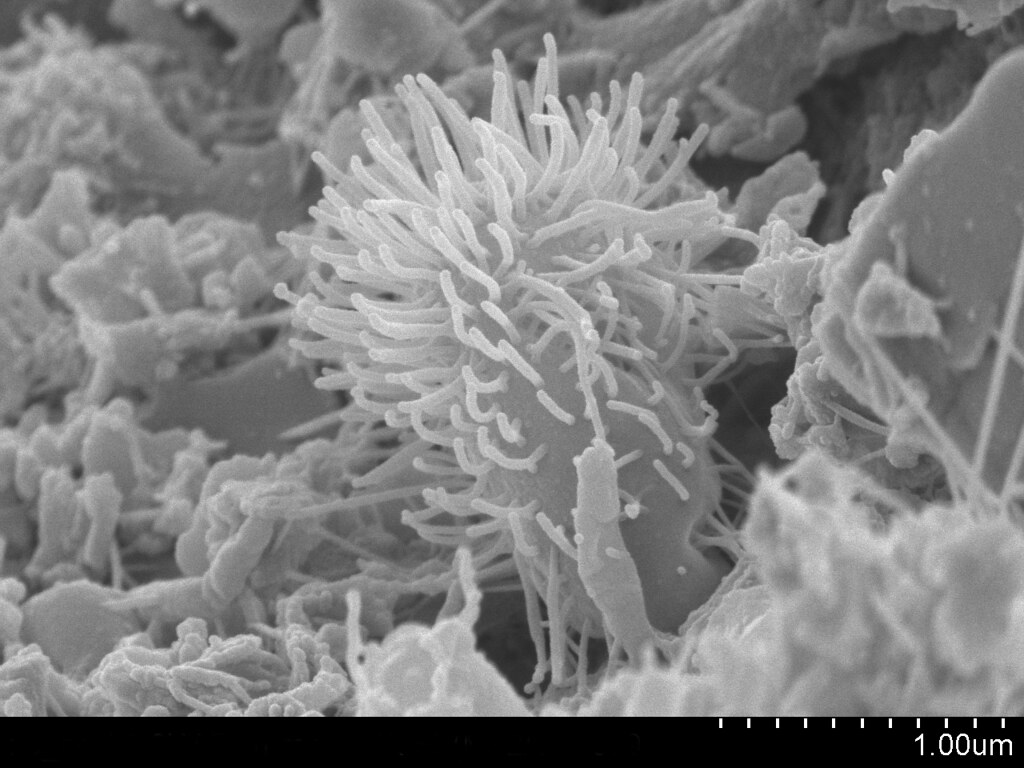
Deep in the ocean and in muddy places, scientists scoop up water and study the tiny living things inside. These creatures are so small you would need a powerful microscope to see them.
Recently, researchers found microbes with genes (the tiny instructions inside living things) that look very different from anything they had seen before. Some scientists think these may belong to a brand-new branch of life.
Why This Is Such a Big Deal
Finding a new branch is like finding a whole new room in a house you thought you knew completely. It means there is much more to life on Earth than we ever guessed.
The deep sea is one of the least explored places on our planet. It is darker than the darkest night and harder to reach than space. So it makes sense that amazing surprises are still hiding down there.
How Scientists Figure It Out
Scientists read the DNA of these tiny living things. DNA is like a secret code that every living thing carries. By comparing codes, scientists can tell how closely things are related.
When a creature's code is wildly different from everything else, it might need its own new branch. Scientists check this carefully many times before they agree, because being sure takes lots of teamwork.
What Happens Next
Researchers will keep studying these mystery microbes. They want to learn how they live, what they eat, and how they survive in such an extreme place.
Discoveries like this remind us that Earth is full of secrets. The next big surprise might be waiting under the waves, in the soil, or even in a drop of pond water.