A Big Surprise in the Rocks
Scientists called paleontologists (say: pay-lee-on-TOL-uh-jists) dig up old bones to learn about animals from long ago. In northeast Brazil, a team found bones from a dinosaur that no one had ever named before!
Finding a brand-new dinosaur is very exciting. It is like opening a treasure chest that has been buried for millions of years. Each bone is a clue that helps tell the dinosaur's story.
Meet the Long-Necked Giant
This new dinosaur is a kind of sauropod (say: SOR-uh-pod). Sauropods were the biggest land animals ever. They had long necks, long tails, and walked on four sturdy legs, a bit like giant elephants with very long necks.
This one belongs to a group called titanosaurs. Their necks helped them reach leaves high up in trees, the way a giraffe stretches up to munch the tallest branches today.
How Scientists Study the Bones
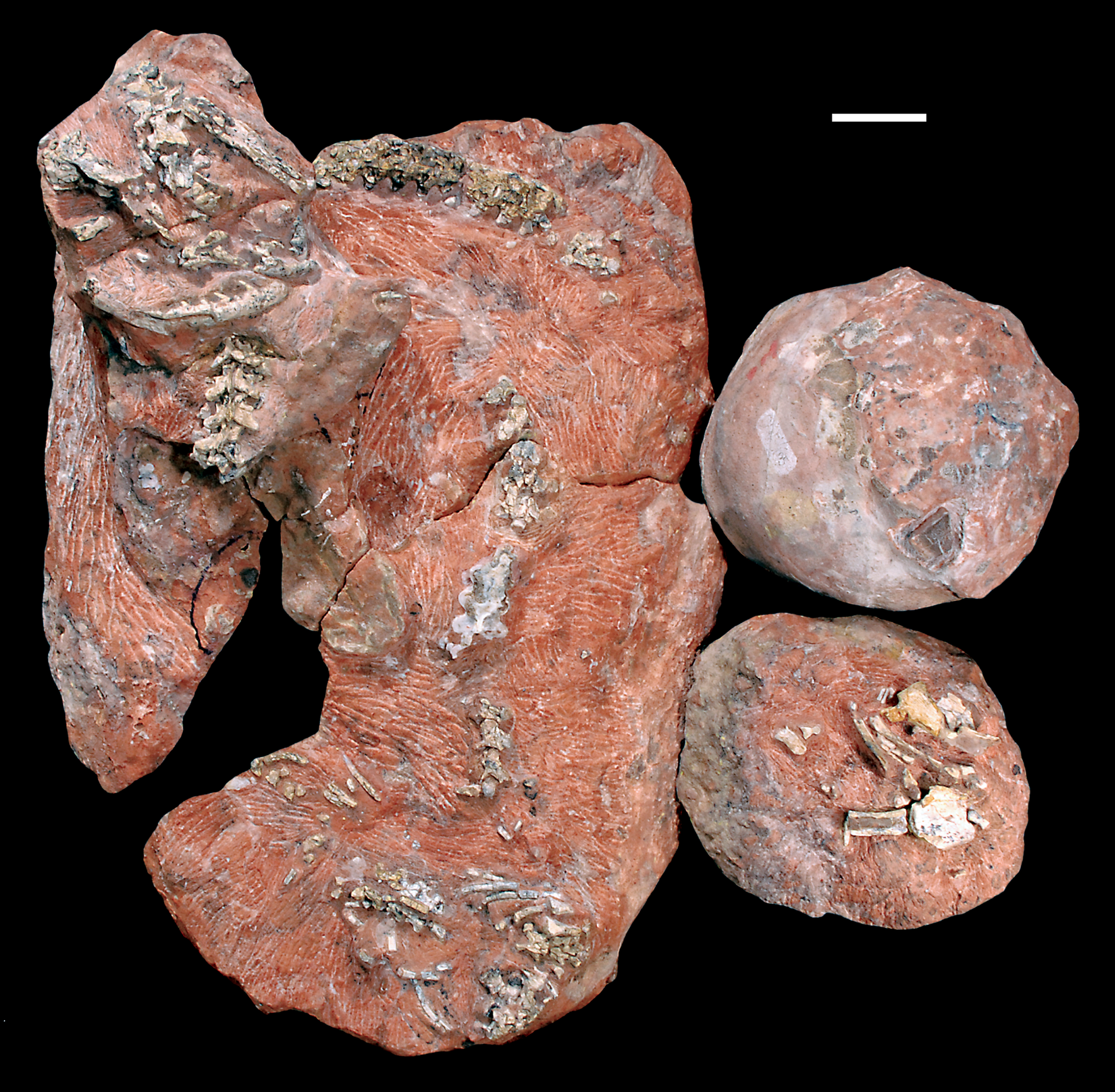
Bones can turn into fossils when they get buried and slowly harden into rock over a very long time. Scientists gently clean and measure each fossil to figure out how big the animal was and how it lived.
By comparing the new bones to other known dinosaurs, scientists can tell this one is different enough to be its very own species. That is how a 'new' dinosaur joins the science books.
Why Brazil Is a Dino Treasure Map
Brazil has lots of old rock from the time of the dinosaurs, so it is a great place to go fossil hunting. Many dinosaurs have already been found there.
Northeast Brazil is especially rocky and dry, which makes it easier to spot bones poking out of the ground. Every new find adds another piece to the puzzle of life long ago.
What Happens Next
Scientists will keep studying the bones to learn more about how this dinosaur moved, what it ate, and how big it really grew.
Discoveries like this remind us that Earth still has secrets waiting to be found. Maybe one day, a curious kid like you will dig up the next amazing dinosaur!